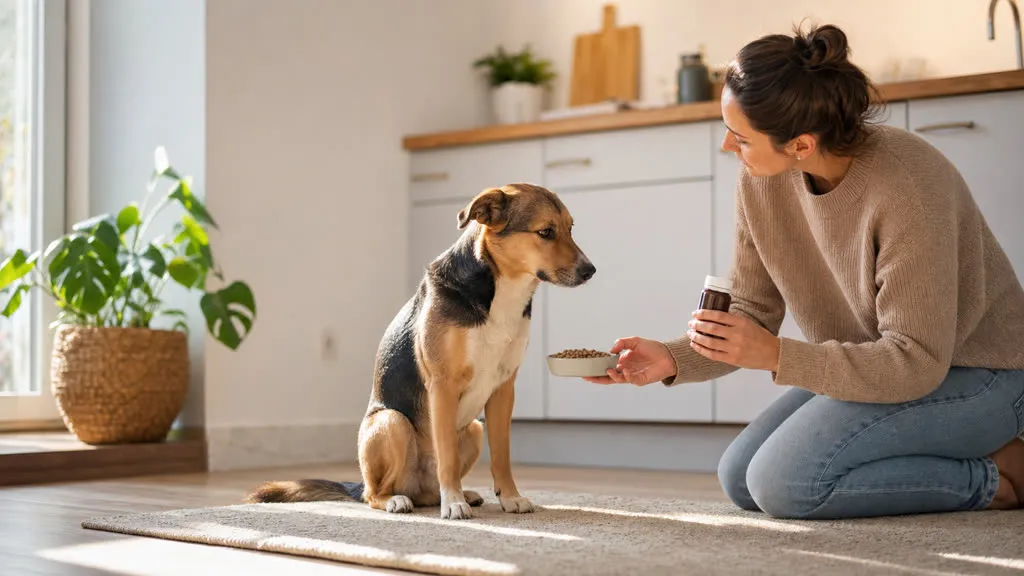
Dog Not Eating After Medicine? What to Track Before You Panic
Dog not eating after medicine? Learn what to watch, what to record, and when to call your vet for safer next steps.
There is a tiny betrayal that happens when your dog finally takes the medicine, then refuses breakfast like you personally offended them.
You did the whole routine. You hid the pill, checked the schedule, maybe negotiated with a piece of chicken like a desperate lawyer, and somehow the dose went in. Then mealtime comes and your dog just stares at the bowl.
If your dog is not eating after medicine, it is normal to spiral a little. Did the medication upset their stomach? Is the illness getting worse? Did they figure out the pill was hidden in food and now every bowl is suspicious? Been there. When Arya was on complicated treatments, a lot of the stress came from these tiny moments where I had no idea if I was looking at a medical problem or just dog logic.
This is not a diagnosis guide, and it is definitely not a replacement for your vet. It is a practical way to slow the panic down, observe the right things, and make the next call less chaotic.
Start with the timeline
The first useful question is simple: when did the appetite change happen?
A dog skipping food five minutes after a bitter pill is a different story from a dog refusing meals for a full day. Write down the medicine name, dose, time given, whether it was given with food, what your dog ate before or after, and when the refusal started.
That timeline matters because some medications can cause nausea, some are meant to be taken with food, and some should not be mixed with certain foods at all. Your vet does not need a dramatic essay. They need the clean version of what happened.
This is exactly the kind of thing I built Arya for. Not because logging is exciting, but because remembering times, doses, notes, and weird appetite changes from memory is a terrible system when you are already stressed.
Do not force a full meal immediately
When your dog refuses food, the instinct is to start offering everything in the house. Kibble, wet food, treats, chicken, cheese, the emergency fancy can you bought “just in case.” I get it.
But if your dog feels nauseous, pushing a big meal can make things worse. A calmer approach is to offer a small amount of something your vet has said is safe for your dog. Sometimes warming food slightly, adding a little warm water, or offering a small portion of wet food can make the smell more appealing without turning the whole situation into a buffet.
If you use toppers, keep them simple and safe. Avoid guessing with rich, salty, spicy, or fatty foods. And if you are hiding future pills in food, ask your vet first before crushing tablets, opening capsules, or mixing medication into a full bowl. Some medications should not be altered, and a full bowl creates a new problem: if your dog eats half, you may not know how much medicine they got.
Watch for the signs that make this urgent
A single skipped meal in an otherwise bright adult dog may not be an emergency, but appetite loss can matter quickly depending on the dog and the context.
Call your vet sooner if your dog is not eating after medicine and also seems weak, very sleepy, painful, bloated, drooly, restless, feverish, or unable to keep water down. Vomiting, diarrhea, blood, pale gums, trouble breathing, or refusing water are not “let us see how tomorrow goes” signs.
Puppies, tiny dogs, diabetic dogs, dogs with kidney or liver disease, and dogs on critical medications deserve extra caution. For many dogs, 24 hours without eating is a good reason to call for guidance, and you should not wait that long if there are other symptoms.
The boring advice is the safest one: when in doubt, call. You are not bothering the clinic by asking what matters for your specific dog and your specific medication.
Ask whether the medicine plan needs adjusting
If the appetite issue keeps happening around the same dose, bring that pattern to your vet.
Ask whether the medicine should be given with food or on an empty stomach. Ask what foods are safe to use with that medication. Ask if nausea is a possible side effect. Ask whether there is a flavored version, a liquid, a chew, or a compounded option that might make the routine less miserable.
Also ask the question that saves future-you a lot of panic: “If my dog refuses food after this dose again, what exactly should I do?”
That answer may be different for antibiotics, pain meds, seizure medication, heart medication, steroids, or eye treatments. Guessing is where pet parents get into trouble, especially when the dose matters.
Make the next dose less suspicious
Dogs are very good at learning patterns. If every meal suddenly tastes like betrayal, your dog may start treating the bowl like a crime scene.
Try separating medicine time from regular meal time when your vet says that is okay. Use a very small medicated bite first, then follow with normal food after you know the dose went down. Keep the process calm. Do not hover over the bowl like a haunted Victorian ghost. Your dog can absolutely tell when you are being weird.
After the dose, note what happened. Ate normally. Ate half. Refused food. Vomited. Drank water. Acted normal. Acted off. Those plain little notes become surprisingly useful if the pattern repeats.
The short version
If your dog is not eating after medicine, do not panic and do not start improvising with extra doses or random foods. Track the timeline, offer small safe options, watch for urgent signs, and call your vet for medication-specific advice.
It is not glamorous. It is just the kind of simple system that helps when your brain wants to turn one skipped breakfast into a full disaster movie.
If you want a calmer way to track doses, appetite notes, side effects, and the questions you need to ask your vet, Arya: Pill Reminder is available on the App Store and Google Play. Built by a stressed pet parent for other stressed pet parents 🐾