How to Prepare for Your Dog's Vet Visit (And Actually Make It Useful)
Preparing for your dog vet visit means more than showing up on time. Here is what to track, what to bring, and why it changes everything.
Let me tell you about a feeling you probably know if your dog has ever been on long-term medication. The vet asks “so, how has she been doing?” and your mind goes completely blank.
Not because nothing happened. Everything happened. She had that weird episode on Tuesday morning. She’s been sleeping more than usual. Her appetite was off for three days in early February. But none of that is organized in your head right now, so you smile and say “she’s been okay, I think.”
This happened to me more times than I want to admit with Arya. She’s been through seizures, surgeries, a rotating cast of medications that changed over time. Every vet visit was an opportunity to give her doctor actually useful information, and I kept wasting it because I hadn’t prepared. Here’s what finally changed things for me.
Write Down Symptoms When They Happen, Not When You Remember Them
The most valuable thing you can bring to a vet visit is a timeline. Not a vague recollection. A real, specific timeline. “She had a seizure on February 4th, lasted about 90 seconds, recovered fast but was lethargic the rest of the day” is useful. “She’s been having some episodes sometimes” is not.
This sounds obvious but it requires a habit: when something happens, you note it immediately. Not later. Not when you remember. Right then.
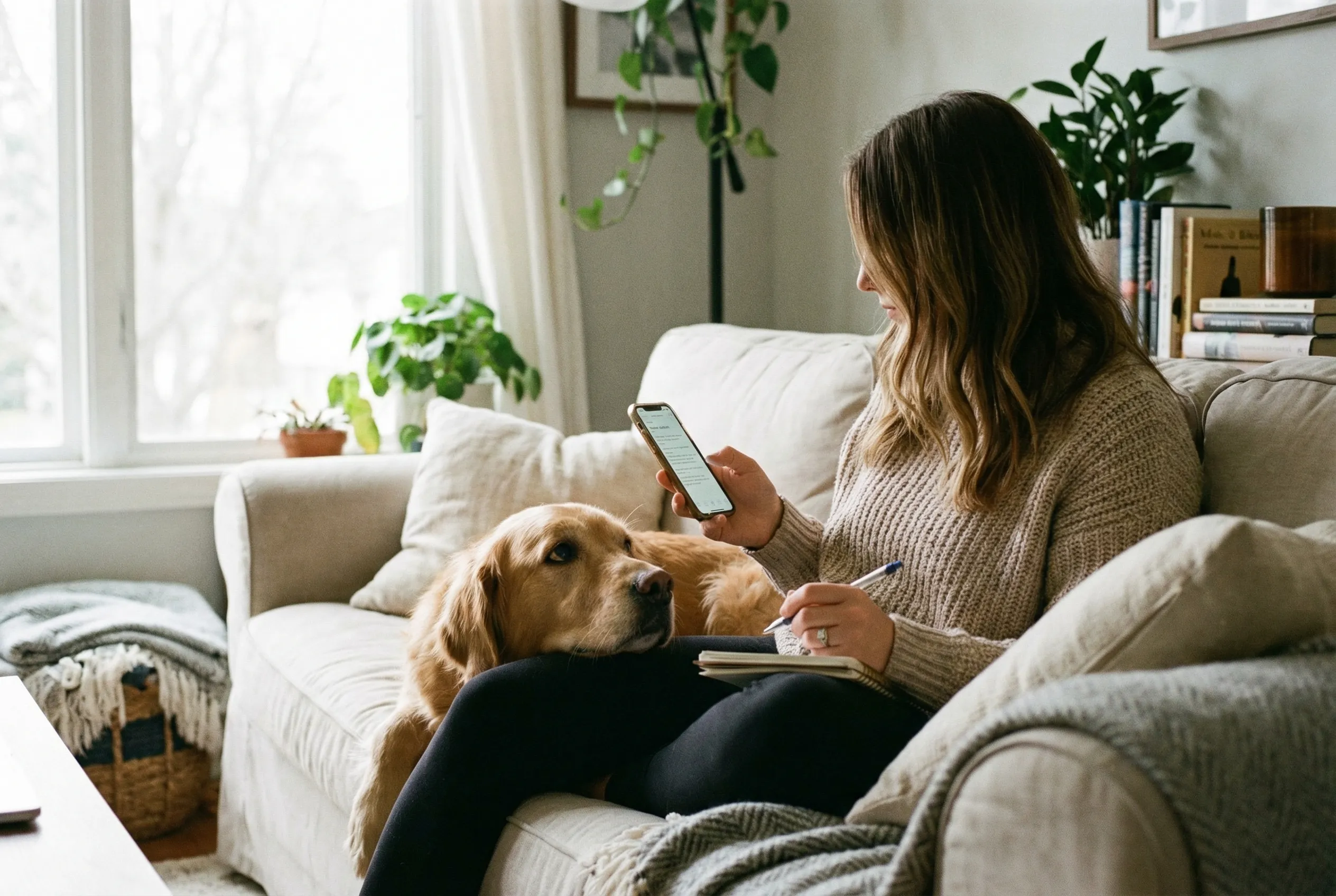
I use the notes section in Arya for this. Every time there’s an odd behavior, a skipped meal, a reaction I’m not sure about, I add a quick note. By the time the vet appointment comes around I have an actual record instead of a fuzzy mental timeline that starts three days ago.
Track What Medications She’s Actually Getting
Another thing that seems simple until it isn’t: knowing with real certainty what your dog took, and when.
When Arya was on two medications with different schedules, I was never completely sure if I’d given the morning dose or just thought I had. That uncertainty led to double-dosing twice. Not dangerous in our case, but not ideal either.
A medication log doesn’t need to be complicated. It just needs to exist. Whether it’s a paper calendar on the fridge or an app, the point is that you mark it done when it’s done, not from memory later. Your vet will also thank you for being able to say “she’s been getting 10mg every 12 hours consistently for six weeks” instead of “yeah, I try to give it to her twice a day.”
What to Actually Bring to the Appointment
Beyond your notes, a few practical things make vet visits significantly more productive.
Bring the actual medication bottles, not just the names. Your vet wants to see the dosage, the pharmacy, the lot number if there’s any recall concern. It takes thirty seconds to throw them in a bag.
Write your questions down before you walk in. In the waiting room, anxiety brain takes over and you forget half of what you wanted to ask. I keep a running list on my phone throughout the weeks between visits: dumb questions, specific questions, “is this normal” questions. All of them.
Note any changes in appetite, water intake, or energy level over the past few weeks. These are the three things vets ask about most, and “I’m not sure” is the most frustrating answer for a doctor trying to help a patient who can’t describe their own symptoms.
The Part That Connects It All
Preparing for a vet visit is really just about having data. Your vet is trying to understand what’s happening inside a dog who cannot tell them. The more specific information you bring, the better they can actually help.
This is the whole reason I built Arya. Not just as a medication reminder, but as a central place where everything about her health lives: doses given, observations logged, patterns visible over time. When I walk into the vet now I feel genuinely prepared. The conversation goes from “I think she’s been okay” to “here’s exactly what happened and when.”
You can download Arya for free on the App Store and Google Play. If your dog is on any kind of ongoing care, it will make your next vet visit go a lot better than the last one. 🐾